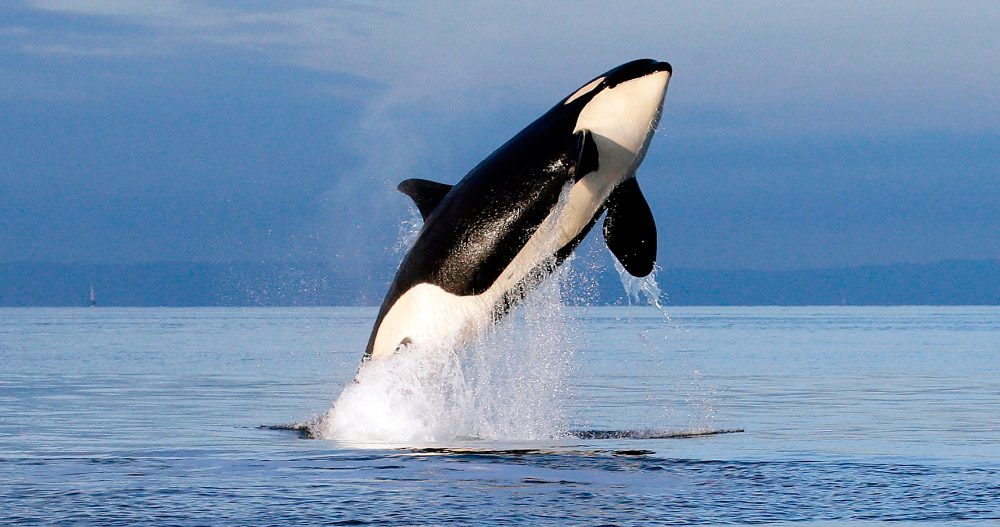


La Paz, Baja California Sur, Mexico – For the first time in Mexico, swimming with orcas is officially legal and regulated. The country’s Secretariat of Environment and Natural Resources has published the Management Plan that sets clear guidelines for the conservation and sustainable use of the Orcinus orca species, allowing both whale watching and supervised swimming in the La Ventana area, which includes communities such as El Sargento, Agua Amarga, Los Planes, and Ejido Juan Domínguez Cota.
The activity is authorized from August 1, 2025, to July 31, 2026, within a marine-terrestrial polygon covering more than 110,000 hectares. Boarding and disembarking are only allowed at Playa Central and Ensenada de Muertos.
Key rules for swimming with orcas in La Ventana:
- Only tour operators with an official permit from the General Directorate of Wildlife may offer the experience. Each operator is limited to one boat, and only 24 boats per day are allowed in the area.
- Each trip may last up to 4 hours, with a maximum of 30 minutes of interaction if the orcas are socializing or feeding.
- Only surface swimming is allowed, for adults in good physical condition, free of alcohol or drugs, and using a life jacket or wetsuit, snorkel, mask, and fins. Scuba diving and deep dives are prohibited.
- Swimming is only permitted if the orcas are feeding on small prey. If they are resting, hunting large prey, or traveling, entering the water is not allowed.
- Participants must keep a minimum distance of 20 meters from the orcas. If the animals approach closer than 50 meters, boat engines must be put in neutral. Drones, artificial sounds, sunscreen, physical contact, flash photography, and littering are strictly prohibited.
Why this regulation matters:
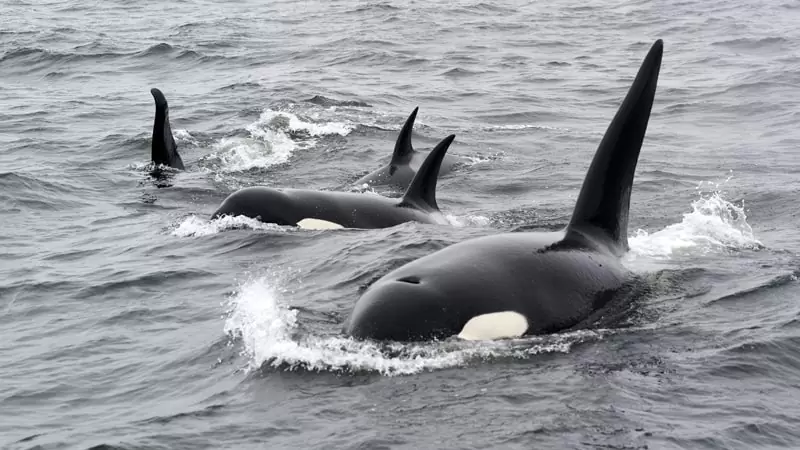
La Ventana has recently become a global hotspot for tourists seeking the thrill of swimming with wild orcas. However, the lack of previous regulation led to chaotic conditions, with dozens of boats and swimmers approaching the animals without safety measures or environmental controls. This new regulation aims to protect both the marine ecosystem and the safety of visitors, while promoting sustainable wildlife tourism in Baja California Sur.