
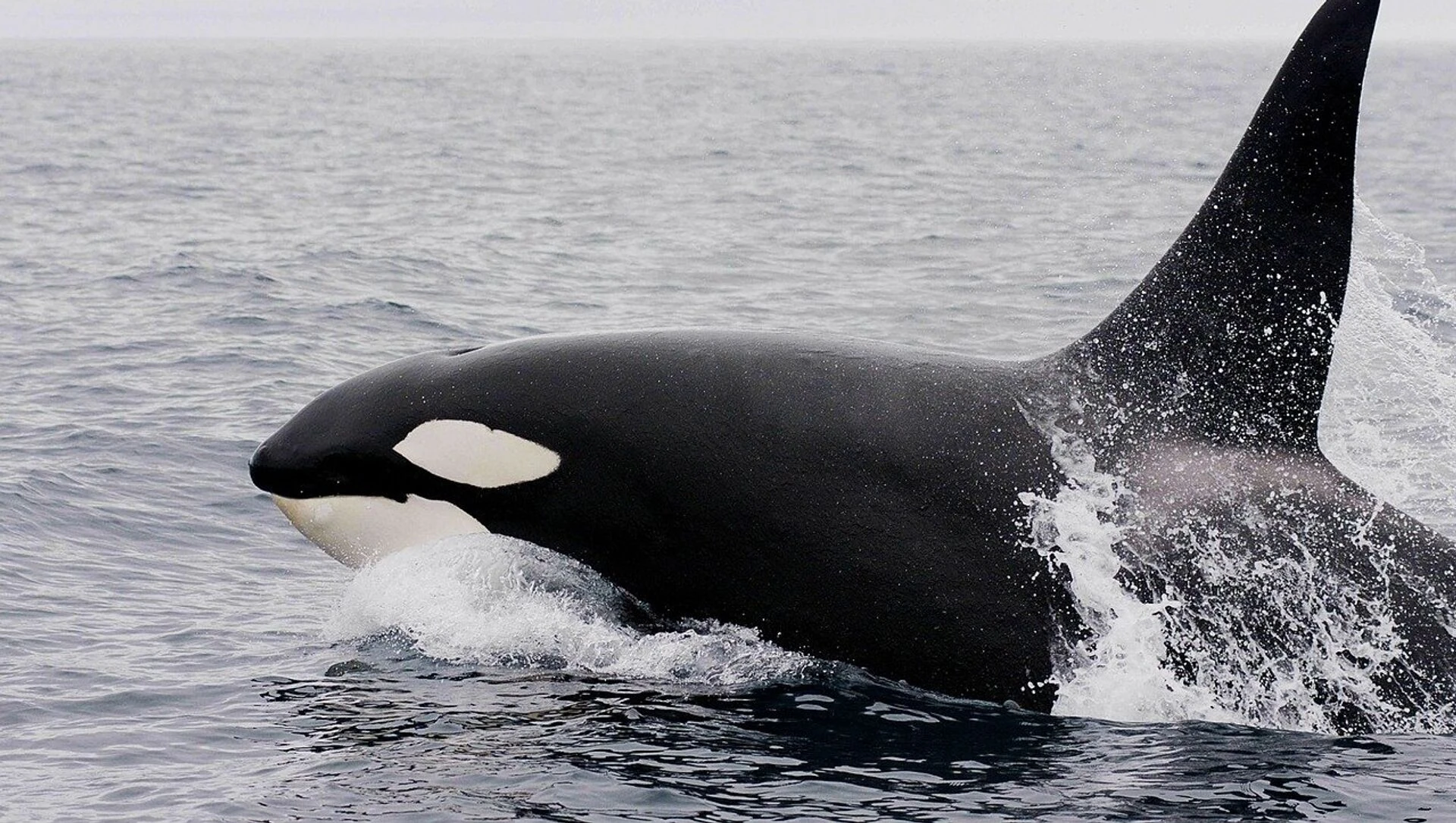


La Paz, Baja California Sur, Mexico – The recent decision by Mexico’s Secretariat of Environment and Natural Resources (Semarnat) to officially regulate swimming with orcas in the La Ventana area has sparked mixed reactions from marine life specialists. While tourism operators see it as an opportunity, scientists warn it could put both the animals and visitors at risk.
In an interview with Excélsior, marine researcher Jorge Urbán from the Marine Mammal Research Program at the Autonomous University of Baja California Sur (UABCS) expressed concern over how quickly the management plan was approved — without prior studies or public consultation. He stressed that the activity should have been limited to watching only, since close contact can have negative impacts on male, female, and calf orcas.
Francisco Gómez, director of the Museum of the Whale and Marine Sciences, also warned that this activity could lead to the first fatal incident involving an orca and a human in Mexico. He noted that irresponsible boat operators, traveling at high speeds or interrupting hunting routes, create stress for the whales and increase the danger for tourists.
A luxury adventure with a high price tag
According to Excélsior, some premium tourism packages — such as the “Ocean Safari,” which includes lodging, transportation, meals, snorkeling gear, a marine biologist guide, and the experience of swimming with orcas — cost as much as 39,980 Mexican pesos (around $2,300 USD) per person.
International context
Until now, Norway was the only country in the world where swimming with orcas was legal, specifically in the Tysfjord region since the 1990s. With this new regulation, Baja California Sur becomes the first place in Mexico and Latin America to offer this experience under a legal framework.

